

Fast and Furious
Less Michael 5:2; more Matthew 6:16

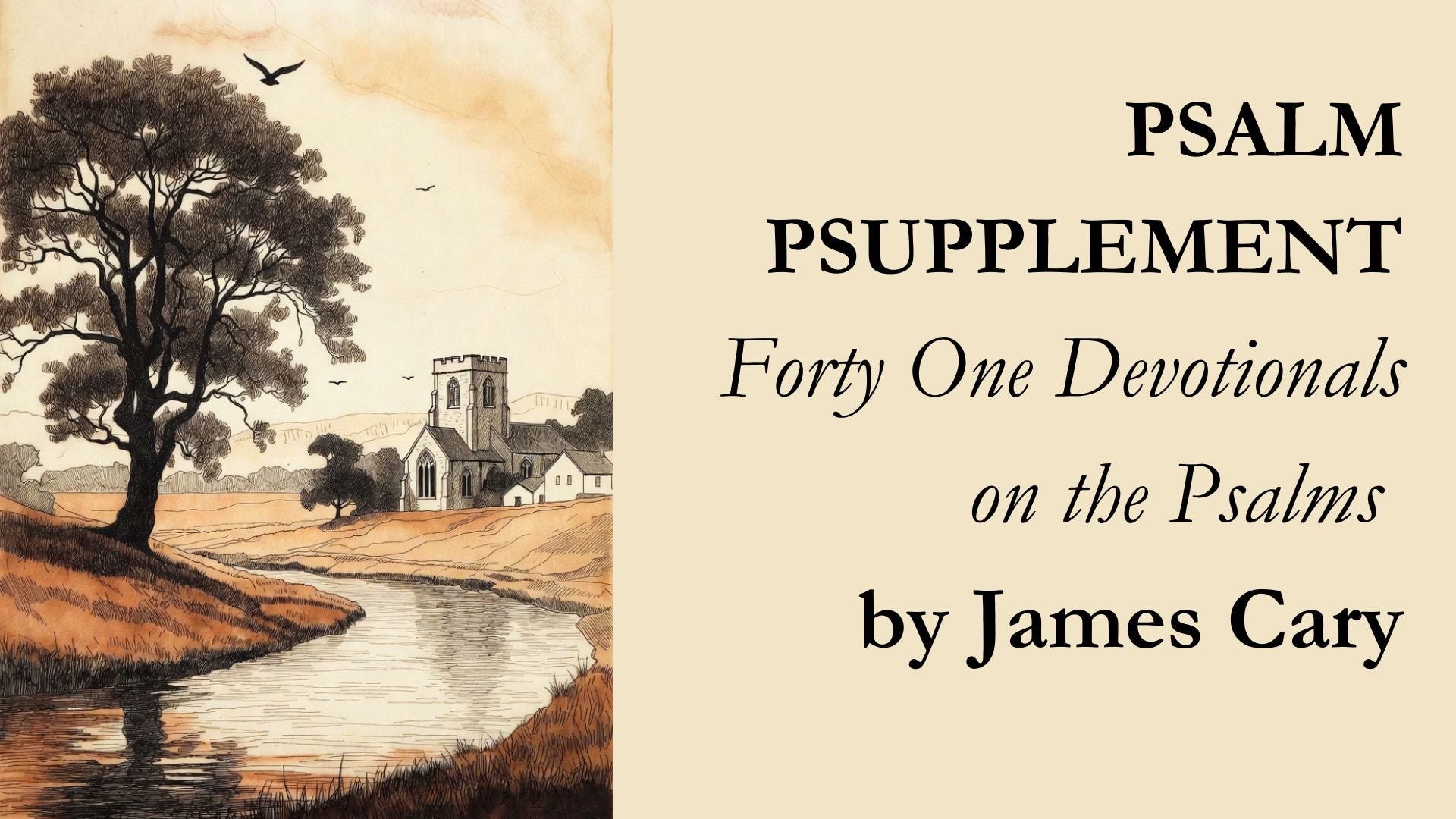
The Psalm Psupplement - forty one Psalm devotionals - will be available to buy on Shrove Tuesday (17th February) in time for the forty days of Lent. Paid subscribers to my other blog, The Wycliffe Papers will receive it for free.

Fast and Furious
The word ‘fasting’ has now finally slipped out of the Church’s grasp. If someone uses the word ‘fast’ today, it is probably in the context of a weight-loss plan like Dr Michael Mosley’s 5-2 Diet which has been popular in recent years. You eat for five days but ‘fast’, that is strictly limit calories, for two days. I’m told this is an effective way to lose weight. Perhaps it is.
But it is not ‘fasting’ as it has been traditionally understood through the centuries in England. It is still practised in many Christian denominations across the world and it is a practice that needs be reclaimed. Why? Because Jesus assumes his followers will fast. That means going without food for a period for spiritual reasons.
We should consider this because Lent begins on Ash Wednesday. That’s next week, Wednesday 18thFebruary in the Year of Our Lord 2026. Lent moves around with Easter, since it is the beginning of a forty-day season of fasting (excluding Sundays).
Next time, I’ll explore fasting for forty days in Lent. But first, let us think about fasting itself. Why voluntarily go without food? Even for one day?
Here’s the simple answer: because the Bible commands it, assumes it and commends it. According to the law given to Moses, the whole of Israel was commanded to fast as preparation for the Day of Atonement (Yom Kippur). That’s the day on which the High Priest enters the Holy of Holies. You’ll find that in Leviticus 16:29-30:
“This is to be a lasting ordinance for you: On the tenth day of the seventh month you must deny yourselves and not do any work – whether native-born or a foreigner residing among you – because on this day atonement will be made for you, to cleanse you. Then, before the Lord, you will be clean from all your sins.
Fasting seems to be linked to atonement for sins so that we can enter God’s presence. While receiving the law, Moses himself miraculously fasted for forty days and nights – abstaining from food and water - before receiving the Ten Commandments in Exodus 34:28:
“Moses was there with the Lord forty days and forty nights without eating bread or drinking water. And he wrote on the tablets the words of the covenant—the Ten Commandments.”
Moses is fasting before hearing from the Lord. Fasting seems to make us open to wisdom and instruction. No wonder the Early Church fasted when praying for clarity on decision making (Acts 13-15).
We are not Moses. Nor are we apostles living in the shadow of the Temple which was destroyed in AD70. This is the age of the Spirit. So why were these early Christians continuing to fast? Was it their cultural heritage talking?
No. Jesus himself assumes Christians will continue the practice of fasting. He does so in his famous sermon in Matthew 5-6 known as The Sermon on the Mount. Having just explained how to pray, encapsulating the instruction in the Lord’s Prayer, Jesus says:
“When you fast, do not look sombre as the hypocrites do, for they disfigure their faces to show others they are fasting. Truly I tell you, they have received their reward in full. But when you fast, put oil on your head and wash your face, so that it will not be obvious to others that you are fasting, but only to your Father, who is unseen; and your Father, who sees what is done in secret, will reward you.” (Matthew 6:16-18)
He doesn’t tell his followers to fast. He assumed they will. And gives a clear warning: don’t show off about it. Don’t disfigure your face to show how much you are suffering. I imagine Jesus contorting his face at this point, possibly impersonating a pious Pharisee. And the crowd would have known exactly what Jesus was talking about. Fasting should be done in secret. Why? Because your Father will reward you.
Reward for fasting? Oh dear. That’s a problem for Protestants like me who believe we are saved by grace through faith; not by devotional words, fasting, giving money, kissing relics or going on pilgrimages. For this reason, the practice of fasting for Lent was mostly abandoned by continental Reformers. The Lenten Fast was retained in England but for (surprising) reasons that I’ll get into next week.
But why fast when Jesus’s disciples don’t? In fact, Jesus is challenged on this exact point later in Matthew’s gospel:
Then John’s disciples came and asked him, “How is it that we and the Pharisees fast often, but your disciples do not fast?”
Jesus answered, “How can the guests of the bridegroom mourn while he is with them? The time will come when the bridegroom will be taken from them; then they will fast. (Matthew 9:14-15)
There’s a common theme emerging here. Fasting is about seeking the presence of the Lord. The disciples don’t fast because they are already in his presence! When Christ has ascended to heaven, the apostles need to revert to fasting, as Jesus assumes they will.
What does it mean to enter the presence of a holy Lord? It requires repentance. We prepare for Lent with Shrove Tuesday when we shrive: that is, confess our sins. And how can we seek the Lord’s forgiveness so that we can present our prayers and requests to God? By seeking his presence. How can we do that better? By fasting which brings all kinds of spiritual blessings.
But we don’t really believe this. As I often say here at Cary’s Almanac, we have been blinded by the Enlightenment. No-one is more prone to this way of thinking than well-educated conservative Evangelical (like me). This tribe tends to see the physical world as solely physical as they were taught at the academy. The spiritual is seen as completely separate.
Therefore, the sacraments are seen as purely symbolic. The bread of the eucharist is just bread, not the Body of Christ in any conceivable way. The wine just wine. (Sometimes, it is not even wine, but grape juice, because getting the liquid correct doesn’t matter because it’s just physical). Likewise, in this way of thinking, baptism is just getting someone wet.
So if we think human beings are essentially body-bags of chemicals, the idea of fasting is dead on arrival. How could the act of stopping physical food from entering your digestive system bring real spiritual blessings?
But fasting is clearly something that a Christian should practice. Jesus assumes we will do it. We must take that seriously. The Lord commanded Israel to fast for Yom Kippur. The Lord Jesus says that fasting will bring rewards. We can infer these rewards are contrition and a closeness to the Lord that will enhance our prayers and bring us wisdom so that we can serve him more faithfully. And maybe more. What’s not to like? Let us not ask whether we should fast, but when and how. We will do that next time.

The Stand-Up Theologian podcast is a humdinger. I talk to Jonny Woodrow about Conspiracy Theories, the moon landings, Thomas Aquinas and eventually, of course, CS Lewis. It’s more fun than it sounds. Trust me. Although, can you trust anyone?
This idea of Jesus wanting us to fast is new to me. I did not ever hear this in my churches, somehow falling into the belief that "its a C of E thing". Ah well, lots to learn.